700 years of social commitment
The Diocese of Antwerp has owned the Zwartzuster Convent for many years now. The convent is located in the heart of Antwerp in the Schipperskwartier neighbourhood, right on the water and the new, hip
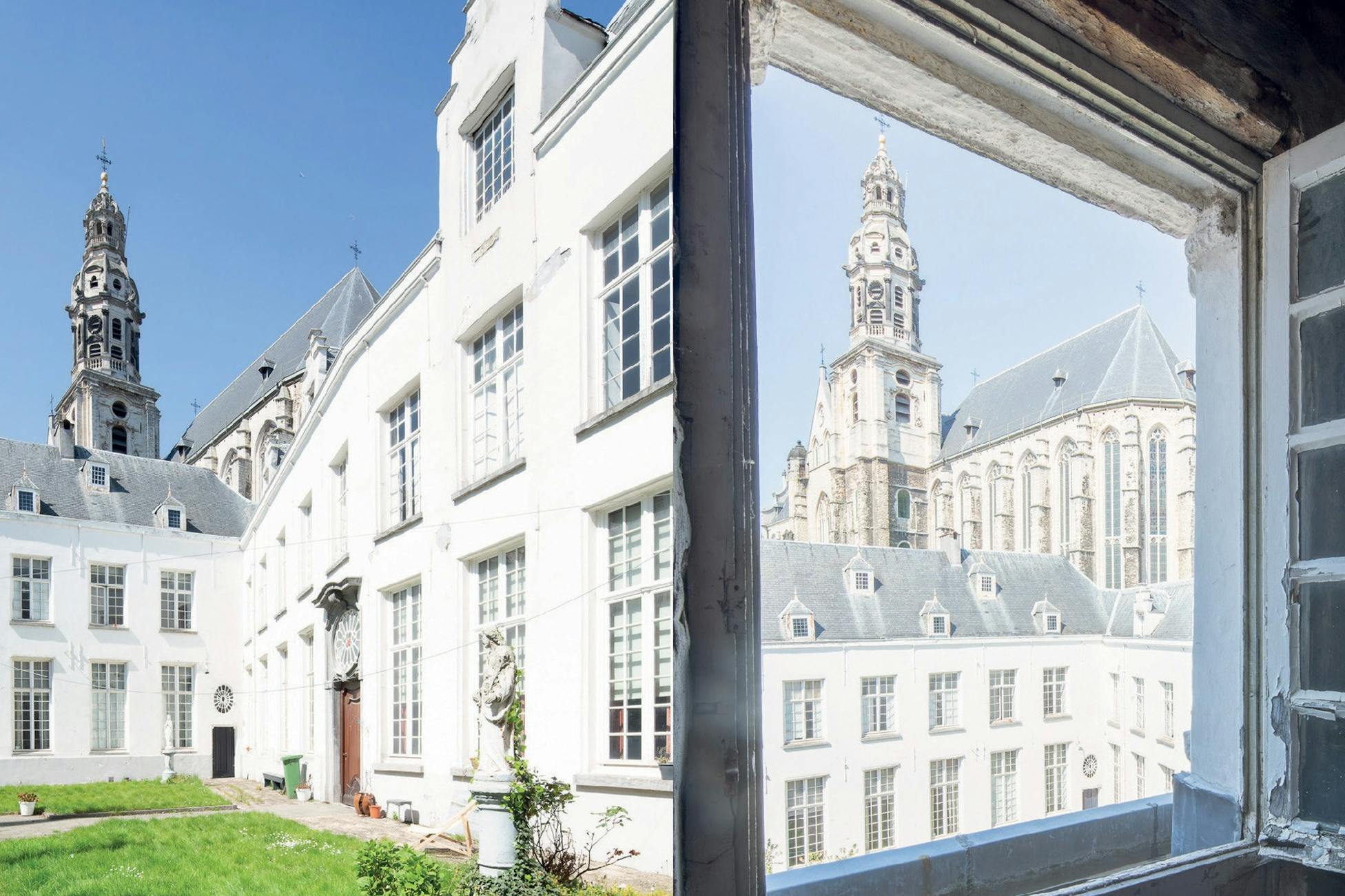
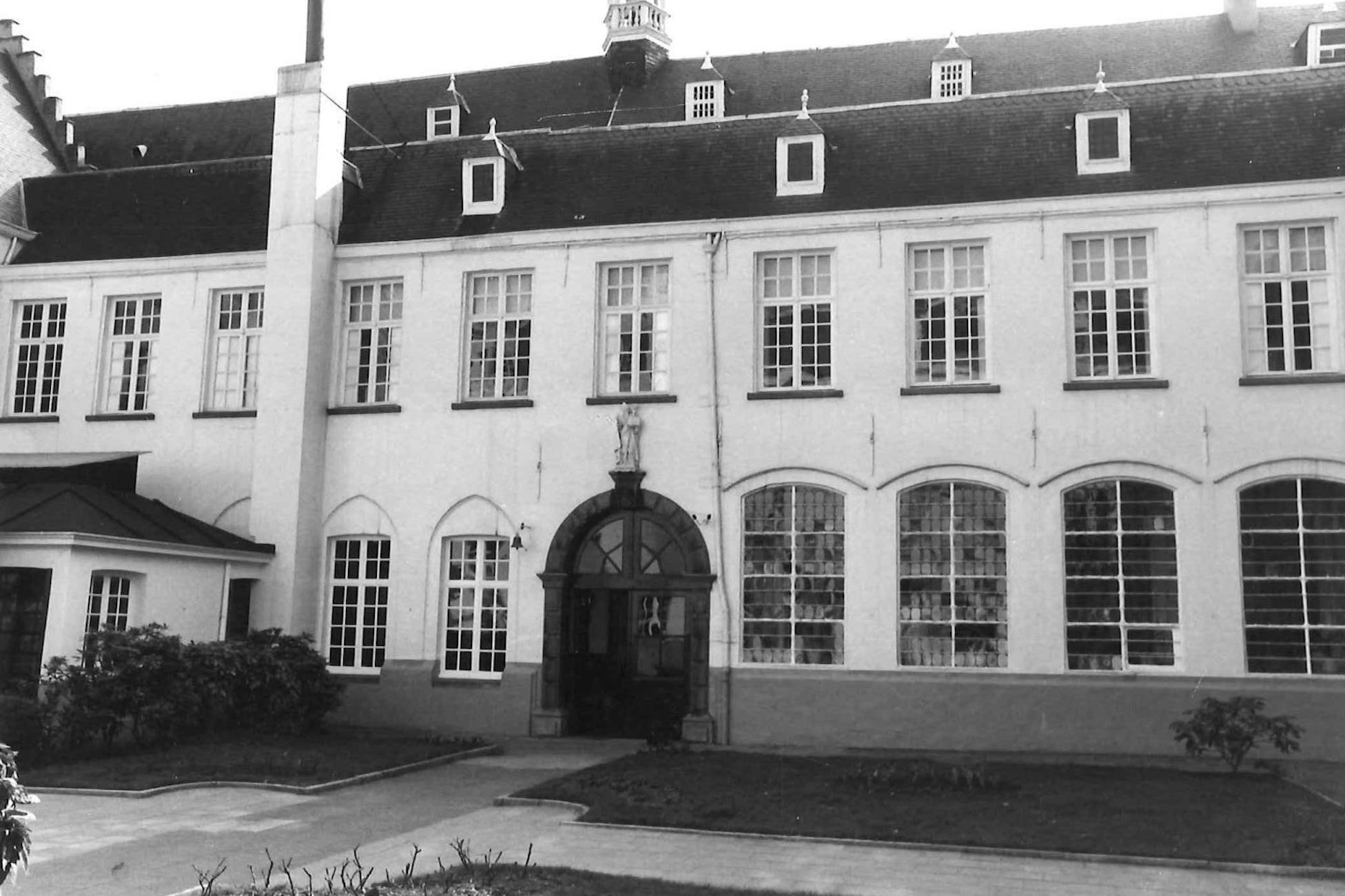
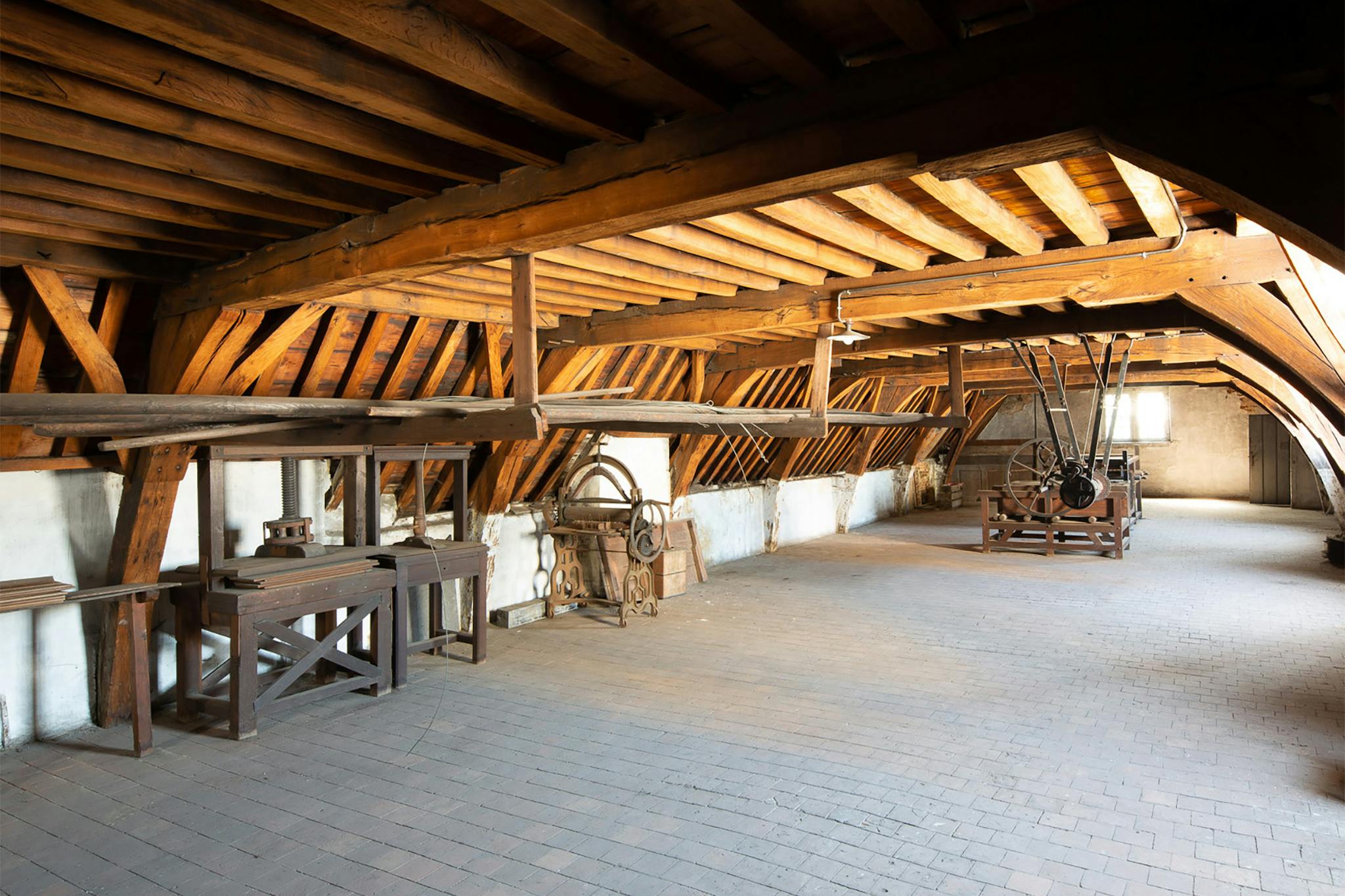
Eilandje. The construction of this unique convent was started in 1350. As is often the case, the construction of the entire complex was a process that spanned several centuries, resulting in sections of the complex being renovated and extended depending on the needs of the time. The latest additions date back to the early 20th century, at which time the convent took on its current form: an east wing, a west wing and south and middle naves. This arrangement forms 2 unique interior courtyards/gardens, a calm oasis in the middle of the buzzing city. Leaded glass, gorgeous original wooden floors, a wooden couple truss, 400-year-old ceiling mouldings, 300-year-old Delft tiles and a treasure trove of memories and palpable warmth.
In 2013, the last of the Zwartzusters (an order of Augustinian nuns) left their trusted home with pain in their hearts after having cared for society’s needs for 700 years. With their dwindling numbers, maintaining this gigantic monument was simply no longer possible. The convent complex was left behind more or less orphaned. Since then, the Diocese has been searching for a solution that guarantees the maintenance and the continued existence of the patrimony and that gives the building a new purpose throughout the coming decades, all while respecting the beautiful history of the building. Given the emotional value of the building to the Catholic Church in Belgium, a leasehold of 99 years has been granted so that, at the end of the lease, the ownership returns in its entirety to the Diocese, in the hope that the Church will then be in the midst of a revival. The Diocese is looking for a professional, reliable and ethical entity for this purpose, and because of LIFE’s good relationship with the Church in recent years, its proposed concept and its values in general, LIFE is the entity the Diocese has chosen.
Co-living as a 21st century variant of convent living
The soul of the convent can still be felt. For years, the nuns lived here together in utmost simplicity. The only visitors were the unfortunate ones who were contending with illness or poverty. In 2019, the building is still intact; however, the context has changed slightly. Where in the past the doors of the convent were open to the unfortunate, today we want to open the doors to as many people as possible: students writing their thesis, start-ups, young professionals and couples and singles of all ages. And, preferably, from as many different cultures, religions and backgrounds as possible. In a completely innovative way, the convent can once again take up its connecting role – a role that it has played so well throughout the centuries – and do so with respect for the building. The residents should not search each other out based on their backgrounds but based on their attitude toward life – their openness and curiosity and their search for authenticity, identity and peaceful living.
This new role is defined by two important factors. The first factor is respect for the ‘Old Lady’ as we have mentioned, and the second is the optimal use of the space created by combining common and private spaces. For those who are willing to be open to collectivity, this can generate a significantly higher quality of life than a traditional apartment.
Architecture/design
The building will be completely renovated and returned to its original state and wille be kept like this for the next 100 years, entirely in cooperation with the Historical Preservation Society, or Monumentzorg. The environment created by the design and furnishings must remain in line with the existing quality of the building. Serenity and rest are the keywords. Simplicity, pure materials and shapes form the basis of a unique experience. The remainder of the diversity and unique character will be supplied by the various colours of the residents.